

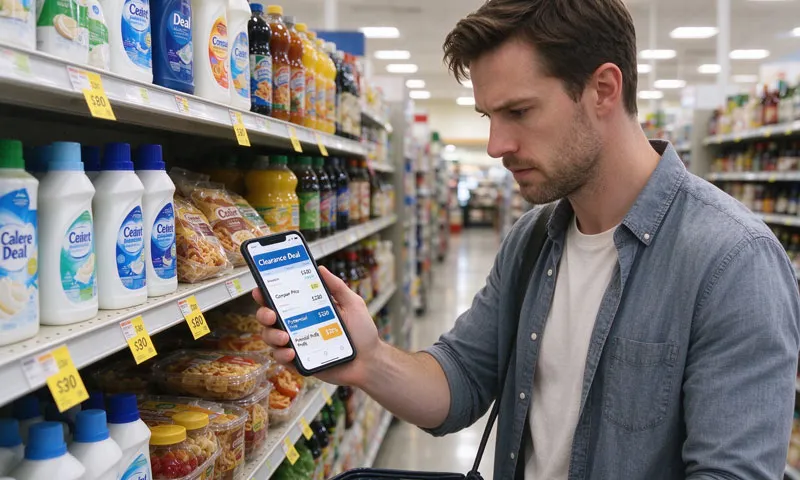
You’ve seen the clearance rack math before: buy a toy for $8, watch it sell for $25 on Amazon, pocket the spread. That’s what is retail arbitrage in its simplest form. But the gap between “legal” and “safe” is wider than most guides admit — and that gap is where accounts get suspended.
What Is Retail Arbitrage, Exactly?
Retail arbitrage means buying a product at a retail price — often on clearance — and reselling it somewhere else for more. The “arbitrage” part just describes the price gap you’re exploiting. Someone else is willing to pay more than you did. You’re the bridge.
A Real Example With Real Numbers
Say you find a board game at Target, marked down to $12. It’s listed on Amazon for $34.99. Here’s what actually happens to that spread:
- Amazon referral fee (roughly 15%): -$5.25
- FBA fulfillment fee: -$5.92
- Your cost: -$12.00
- Net profit: around $11.50
That’s a healthy return on paper. But it assumes the item sells at that price, sells quickly, and doesn’t get flagged. None of those are guaranteed.
Retail Arbitrage vs. Other Amazon Business Models
| Model | Startup Cost | Time to Launch | Compliance Complexity |
|---|---|---|---|
| Retail arbitrage | $500–$2,000 | Days | Medium-High (brand/IP risk) |
| Online arbitrage | $500–$2,000 | Days | Medium-High |
| Wholesale | $3,000–$10,000 | Weeks | Low (authorized invoices) |
| Private label | $2,000–$10,000+ | Months | Low (you own the brand) |
| Dropshipping | $0–$500 | Days | Medium |
Retail arbitrage wins on low barrier to entry. It loses on compliance complexity — a tradeoff most beginner guides skip.
Is Retail Arbitrage Legal?
Yes. Retail arbitrage is legal in the United States. The legal backbone is the first sale doctrine, and it’s worth understanding in plain terms rather than as a vague reassurance.
The First Sale Doctrine, Explained Simply
Under first sale doctrine 17 U.S.C. § 109(a), once you legally buy a genuine product, the manufacturer’s control over that specific unit ends. You can resell it without asking permission. That’s the entire legal foundation retail arbitrage rests on.
What the Law Doesn’t Cover
This is where most guides stop — and where sellers get into trouble. The first sale doctrine protects the resale. It does not protect:
- Products that arrive to the customer in different condition than the original
- Missing warranties the brand explicitly limits to authorized retailers
- Altered or removed packaging, seals, or labeling
Buying something legally and reselling it responsibly are two different disciplines. Confusing them is the single most common mistake new arbitrage sellers make.
When Reselling Crosses the Line: The Material Difference Problem
Courts use a test called “material difference.” If the version you sell is different enough from the original that it could confuse or mislead a buyer, you can face a trademark claim — even though the product is 100% authentic.
Real Scenarios That Trigger Complaints
- An electronics seller resells a genuine item, but the brand’s warranty only applies to purchases from authorized retailers. The customer contacts support, gets denied, and files a complaint.
- A skincare product loses its factory seal during repackaging for FBA. The listing gets flagged as “used” or “tampered.”
- A toy is bundled with an unrelated item to increase perceived value, changing what the customer actually receives versus what’s pictured.
None of these sellers sold counterfeits. All of them created enough of a gap to trigger enforcement.
Quick Self-Check Before You Buy
Ask these four questions at the shelf, before you scan anything:
- Does this brand restrict resale on marketplaces? (Check with a scanning app first.)
- Will the packaging survive shipping and FBA prep intact?
- Does the warranty transfer to a non-authorized buyer?
- Is this a category Amazon gates or requires approval for?
If you answer “no” or “unsure” to more than one, skip it. [Amazon gated categories guide]
Retail Arbitrage on Amazon: Brand Registry and Account Risk
Amazon’s Brand Registry gives brands the tools to flag listings directly — sometimes before Amazon fully reviews the facts. That changes the risk calculus. It’s no longer just “is this legal.” It’s “can I prove this fast enough.”
How to Respond to an Inauthentic Complaint
Amazon wants proof, not explanation. A strong response includes:
- Supplier name and contact information
- Invoices that match the product listed — retail receipts often aren’t enough
- Purchase dates showing consistent, ongoing sourcing
- Product details that match your listing exactly
Keep every receipt and invoice from day one. Retroactively building this record after a suspension is far harder than maintaining it as you go.
How Much Can You Actually Make?
Realistic ROI varies heavily by category. Toys and seasonal clearance items often return 50–100%+ during peak windows. Books and media can return less per unit but scale with volume. Electronics carry tighter margins because of higher competition and stricter warranty issues.
A reasonable target for beginners: aim for 50%+ ROI on standard items, and treat anything below that as too thin to absorb price drops, returns, or storage fees.
The Hidden Costs Beginners Forget
- Sales tax on your original purchase
- Long-term storage fees if inventory sits past 365 days
- Return rates, which vary sharply by category
- Repricing losses if competitors undercut your listing before it sells
Retail Arbitrage and Taxes — What Nobody Tells You
This is the part almost every guide skips, and it’s not optional.
If you’re generating consistent income from resale, the IRS considers that taxable business income, regardless of whether you get a form for it. As of the 2025 tax year, marketplaces are required to issue a 1099-K reporting threshold 2025 only when you exceed $20,000 in payments and 200 transactions — Congress reinstated this higher threshold after several years of a lower, more aggressive limit. But not receiving a 1099-K does not mean the income is exempt from reporting. You’re still responsible for tracking and reporting your profit.
Separately, many states require you to collect and remit sales tax once you cross a “nexus” threshold — the point where your sales volume in a state obligates you to register there. Requirements vary significantly by state, so this is worth a conversation with a tax professional before you scale past a hobby-level operation. [small business tax basics guide]
Where to Source Products (Without Walking Into a Trap)
Reliable sourcing locations: big-box clearance sections, discount chains like TJ Maxx and Marshalls, pharmacy clearance racks, and dollar stores for low-risk starter inventory. Thrift stores can be lucrative for books and games but require more manual research per item.
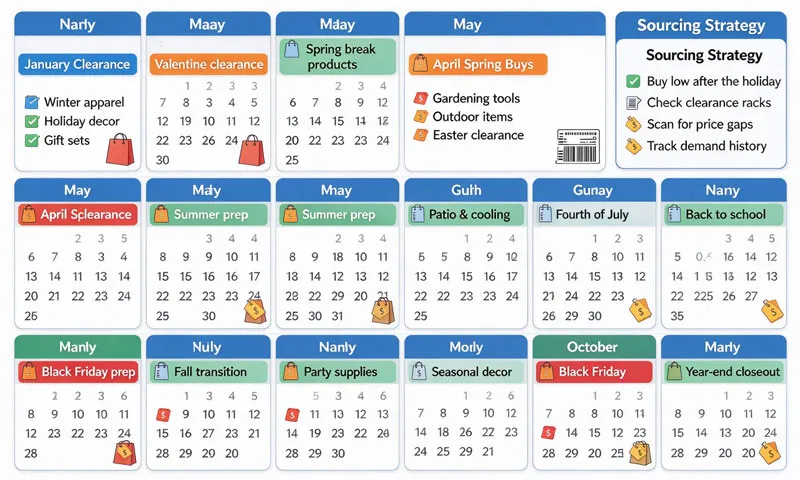
Buy holiday and seasonal clearance a full year ahead. January’s 90%-off Christmas inventory sells at full price the following October.
Frequently Asked Questions
Is retail arbitrage legal on Amazon?
Yes, under the first sale doctrine. But individual brands and gated categories can still restrict who’s allowed to sell their products, so legality doesn’t guarantee approval to list.
Do I need an LLC for retail arbitrage?
Not to start. Many sellers begin as sole proprietors. An LLC becomes worth considering once you’re carrying real inventory value and want liability separation — worth discussing with an accountant.
How much money do I need to start retail arbitrage?
Most beginners start with $500–$2,000, testing a small number of units per product before reinvesting profits into larger buys.
Do I have to pay taxes on retail arbitrage income?
Yes. Profit from resale is taxable business income regardless of whether a marketplace sends you a 1099-K.
What products should I avoid in retail arbitrage?
Anything from a brand known to enforce resale restrictions, anything with a non-transferable warranty, and anything you can’t keep in original, sealed condition through shipping.
Disclaimer: This article is for informational purposes only and does not constitute legal, tax, or financial advice. Retail arbitrage regulations, marketplace policies, and tax thresholds change frequently. Consult a licensed attorney or tax professional before making decisions based on this content.