

Figuring out how to budget while unemployed starts with one hard number: how many months your savings will actually cover. Most guides stop at “cut expenses.” This one gives you the math, the tax rules, and the credit-score tradeoffs nobody else mentions — so you can make decisions with facts, not guesswork.
Last updated: September 2026
Step 1: Calculate Your Survival Runway Before You Cut Anything
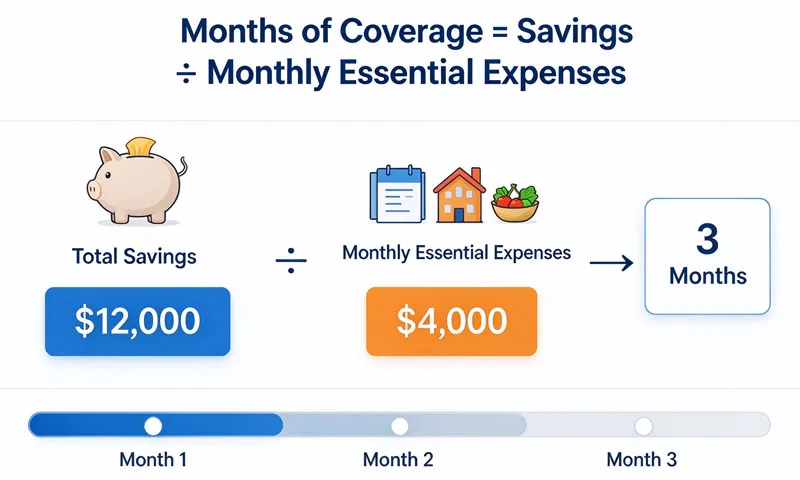
Before you touch a single expense line, run one calculation: liquid savings divided by essential monthly costs. That number is your runway.
Formula: Savings ÷ Essential Monthly Expenses = Months You Can Last
Federal Reserve household economic survey shows most U.S. households can’t cover a $400 emergency without borrowing — which is exactly why this step comes first, not last.
List Every Income Source, Not Just Your Paycheck
Severance pay, unemployment insurance, COBRA subsidies, spousal income, freelance work — list all of it. Missing an income stream skews your runway number and leads to panic-driven cuts you didn’t need to make.
Separate Fixed Costs From “Ghost” Spending
Fixed costs are rent, insurance, minimum debt payments. Ghost spending is the stuff you forget: annual subscriptions, quarterly insurance premiums, that gym membership on autopay. Pull your last three bank statements and flag anything you’d forgotten existed.
Step 2: Build a Tiered Budget, Not Just One Budget
A single “bare-bones budget” sounds good in theory. In practice, it breaks the moment your runway changes. Use three tiers instead.
| Tier | What It Covers | Typical % of Income |
|---|---|---|
| Tier 1 — Survival | Housing, utilities, food, insurance, minimum debt payments | 60-70% |
| Tier 2 — Stability | Transportation, phone, basic healthcare | 15-20% |
| Tier 3 — Stretch | Entertainment, dining out, non-essentials | Only if runway exceeds 4 months |
Start every unemployment budget at Tier 1. Add Tier 2 once you confirm your income sources. Only unlock Tier 3 if your runway math genuinely supports it — not because you feel like you deserve it.
50/30/20 budgeting rule explained
Unemployment Benefits: What Most Guides Leave Out
Is Unemployment Income Taxable?
Yes. Unemployment benefits count as taxable income at the federal level, and most states tax them too. You can request voluntary withholding using IRS Form W-4V, or set aside roughly 10% of each payment for tax season.
IRS Form W-4V voluntary withholding
Skip this step and you could owe a surprise tax bill right when your cash flow is already tight.
How Side Income Affects Your Benefit Eligibility
Every state has an earnings disregard threshold — a small amount you can earn before your benefit gets reduced. Report freelance or gig income honestly. Underreporting risks a clawback of benefits you’ve already spent, plus penalties.
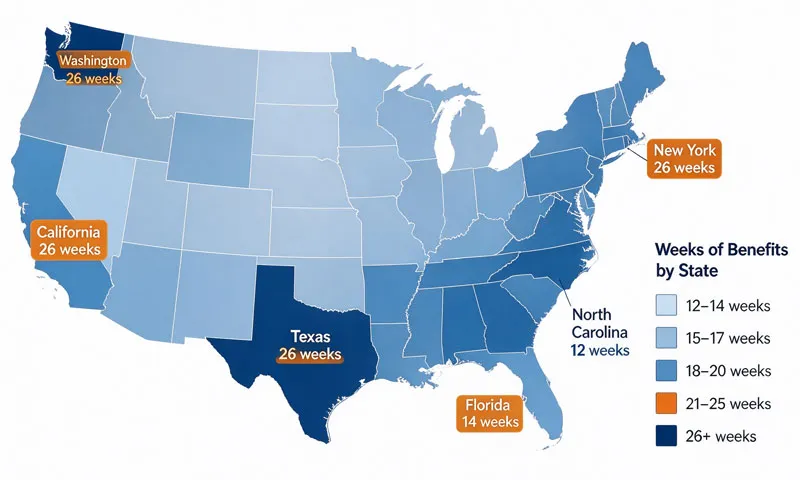
Why Your Benefit Amount Varies by State
Maximum weekly benefit amounts and duration differ significantly by state. Some cap benefits at 26 weeks; others extend further during high unemployment periods. Check your state’s labor department site directly rather than relying on national averages.
Protect Your Credit While You’re Out of Work
Does Forbearance Hurt Your Credit Score?
Not if it’s reported correctly. Lenders that approve formal hardship programs typically report your account as “current” during the agreed period. Missed payments without an agreement in place are what actually damage your score. Always get forbearance terms in writing before you stop paying.
The Real Cost of Cashing Out Your 401(k)
This is the step competitors skip entirely, and it’s expensive to get wrong.
| Option | Tax Impact | Penalty | Long-Term Cost |
|---|---|---|---|
| Hardship withdrawal | Taxed as ordinary income | 10% penalty if under 59½ | High — loses growth permanently |
| 401(k) loan | No tax if repaid on schedule | None | Moderate — repayment strains cash flow |
| Leave it untouched | None | None | Lowest — but no immediate cash |
A hardship withdrawal of $10,000 doesn’t just cost you $1,000 in penalties. It costs you the growth that money would have generated over the next 20 years. Weigh this before you touch retirement funds.
Should You Use Credit Cards or Buy Now, Pay Later?
Use credit only for true emergencies, and only if you have a realistic repayment plan once income resumes. BNPL services feel harmless for small purchases, but missed installments report to credit bureaus just like any other debt. Treat both as last resorts, not backup income.
Assistance Programs Worth Applying For
Don’t wait until you’re desperate to apply — many programs have processing delays.
- SNAP — food assistance for low-income households
- LIHEAP — utility bill assistance
- Medicaid or marketplace subsidies — healthcare coverage gaps
- HUD programs — rental and mortgage assistance
- Employer-sponsored EAPs — some continue for 60-90 days post-layoff; check with HR before you assume it’s gone
State unemployment benefits guide
Watch for Unemployment Scams
Legitimate assistance programs never charge upfront fees or guarantee approval. If a “benefits accelerator” service asks for payment first, walk away.
FTC consumer alert unemployment scams
Bring in Supplemental Income Without Sacrificing Your Job Search
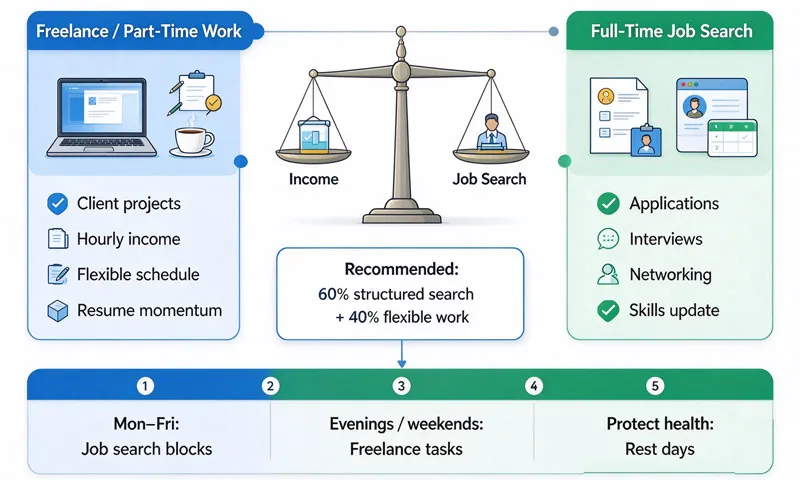
Not all side income is equal. Some options eat hours you need for interviews; others fit around your schedule.
| Option | Time Commitment | Income Potential | Risk to Job Search |
|---|---|---|---|
| Freelance/contract work | Flexible | Moderate-High | Low |
| Gig driving/delivery | Fixed shifts | Low-Moderate | Moderate |
| Selling unused assets | One-time | Variable | None |
Pick work that protects your interview availability first. A part-time gig that blocks weekday mornings can quietly cost you the job offer that ends this whole situation.
Managing Budget Fatigue Over the Long Haul
Weekly check-ins beat daily obsessing. Reviewing your budget every single day amplifies stress without improving accuracy — your numbers barely change day to day. Set one 20-minute session per week, same day, same time. Treat it like a recurring calendar appointment, not an emotional event.
Reverse-Budgeting Once You’re Reemployed
Don’t jump straight back to your old spending habits. Rebuild Tier 3 spending gradually over 60-90 days, and prioritize refilling your emergency fund to its original level before anything else. This is the step almost nobody talks about — and skipping it is why so many people end up back at zero after their next income disruption.
Rebuilding emergency fund after job loss
Frequently Asked Questions
How much should I have saved before I stop working?
Aim for 3-6 months of essential expenses. If you’re in a volatile industry, lean toward 6 months or more.
Do I have to pay taxes on unemployment benefits?
Yes, at the federal level and in most states. File Form W-4V to withhold taxes automatically, or budget roughly 10% aside.
Can I work part-time while collecting unemployment?
Usually yes, up to your state’s earnings disregard threshold. Report all income to avoid benefit clawbacks.
Will pausing my student loan payments hurt my credit?
Not if it’s an approved deferment or forbearance. Only unreported missed payments damage your score.
Should I cash out my 401(k) if I run out of savings?
Treat it as a last resort. A 401(k) loan usually costs less long-term than a hardship withdrawal, since you avoid the 10% penalty and taxable income hit.
Key Takeaways
- Calculate your runway before cutting anything — it determines every other decision
- Use a three-tier budget instead of one blanket “bare-bones” plan
- Unemployment benefits are taxable — plan for it now, not at filing season
- Protect your credit by getting hardship agreements in writing
- Avoid touching your 401(k) until every other option is exhausted
- Reverse-budget slowly once you’re reemployed to avoid repeating the cycle
Disclaimer: This article is for informational purposes only and does not constitute financial, tax, or legal advice. Rules for unemployment benefits, taxes, and credit reporting vary by state and individual circumstance. Consult a certified financial planner, tax professional, or your state’s labor department for guidance specific to your situation.