

Yes, you can file bankruptcy on personal loans, and most of them get wiped out completely. But “most” isn’t “all.” Some loans survive the process, co-signers get stuck holding the bag, and your credit takes a hit you need to plan for. Here’s the full picture, not the watered-down version.
What Counts as a Personal Loan Before You File
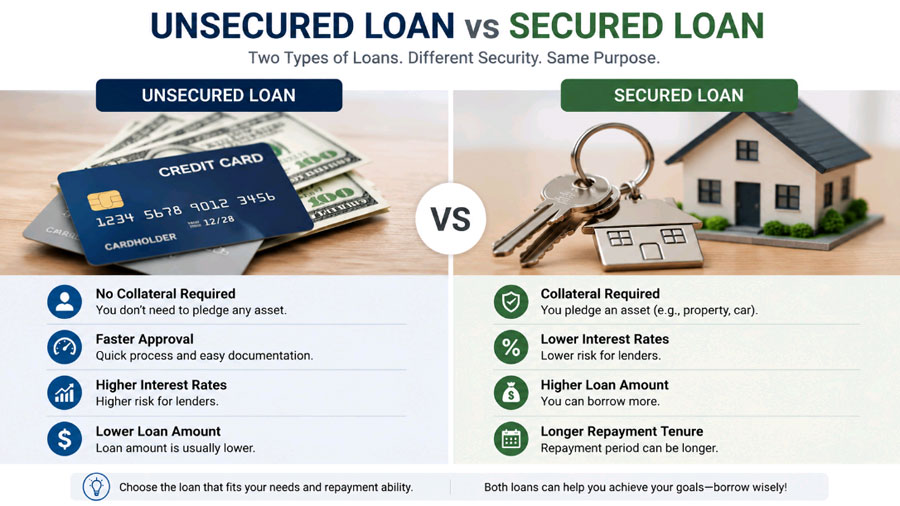
A personal loan is a lump sum from a bank, credit union, or online lender, repaid in fixed installments. People use them for debt consolidation, medical bills, weddings, or home repairs. Some are unsecured. Some are secured against a car, savings account, or other collateral.
That distinction decides everything once you file.
Unsecured personal loans have no collateral backing them. The lender can’t repossess anything if you stop paying. Secured personal loans are tied to an asset. Default, and the lender takes it back.
Can You File Bankruptcy on Personal Loans? The Direct Answer
In Chapter 7 bankruptcy, unsecured personal loans are treated like credit card debt. They get discharged. You stop owing the balance, full stop.
This happens under 11 U.S.C. §727, the section of the Bankruptcy Code that governs discharge in Chapter 7 cases. Title 11, United States Code, Section 727 – Bankruptcy
Secured personal loans work differently. The debt itself can still be discharged, but the lien on the collateral usually survives. Skip payments, and the lender can still take the asset back even after your bankruptcy closes.
Chapter 7 vs. Chapter 13: How Each One Treats Your Loan
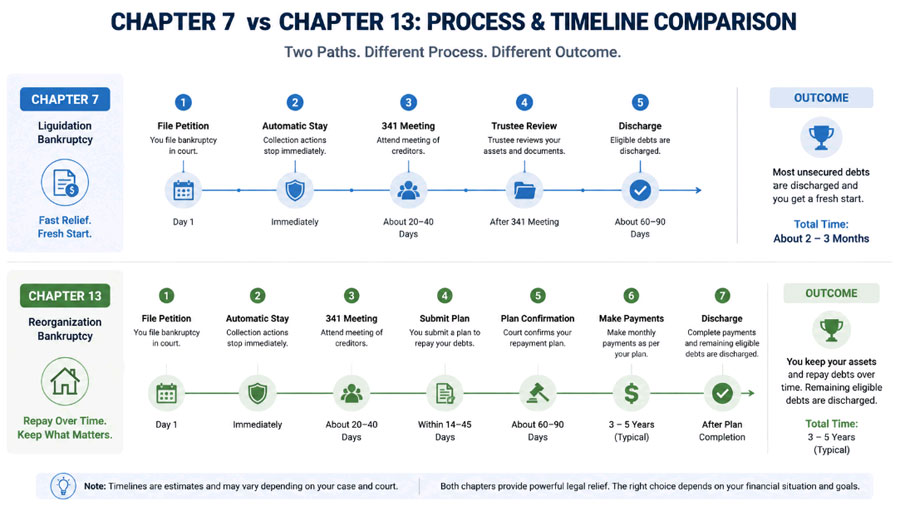
Not everyone qualifies for Chapter 7. The means test looks at your income against your state’s median. Earn too much, and you’ll likely land in Chapter 13 instead, where you repay debt over three to five years rather than discharging it outright.
| Factor | Chapter 7 | Chapter 13 |
|---|---|---|
| Personal loan outcome | Usually discharged | Included in repayment plan |
| Eligibility | Must pass means test | Available regardless of income |
| Timeline | 3-6 months | 3-5 years |
| Asset risk | Non-exempt property can be sold | Assets typically protected |
| Credit report impact | 10 years | 7 years |
| Typical cost | $1,500-$3,500 | $3,000-$6,000 |
If you’re weighing which chapter fits your income level, a [means test eligibility calculator] walks through the math before you file anything.
When a Personal Loan Won’t Be Discharged
This is the part both your lender and most blog posts skip. Section 523 of the Bankruptcy Code lists debts that survive discharge regardless of chapter.
Fraud on the application. Lied about your income or employment to get approved? A creditor can challenge the discharge and likely win.
The 90-day rule. Took out cash advances or made luxury purchases shortly before filing? Courts treat that timing as a red flag. The presumption is that you never intended to repay it.
Other non-dischargeable debts. Student loans, most tax debt, and child support don’t go away in bankruptcy either, personal loan or not.
A bankruptcy attorney reviewing your filing will flag these risks before the trustee does, which is exactly why DIY filings run into trouble more often than represented ones.
What Happens to Your Co-Signer
Discharge wipes out your legal obligation. It does nothing for the person who co-signed.
If your sister co-signed your loan to help you qualify, creditors can still come after her for the full balance once your case closes. Chapter 13 offers slightly more protection here through something called the co-debtor stay, but Chapter 7 offers none.
Tell your co-signer before you file. Not after.
How This Affects Your Credit and Your Next Loan
A Chapter 7 filing stays on your credit report for 10 years. Chapter 13 drops off after 7. Either way, your score takes an immediate, sharp hit.
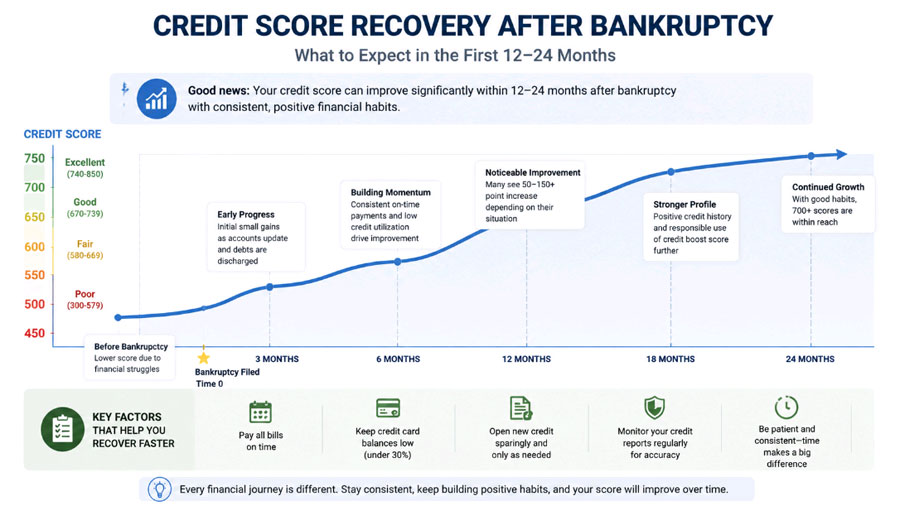
Recovery isn’t linear, but it’s faster than people expect. Borrowers who stay current on remaining bills and use a secured card responsibly often see meaningful score recovery within 12 to 24 months. [FICO’s official methodology statement on the impact of bankruptcy on credit scores]
Qualifying for a new personal loan post-discharge is possible, often within a year or two, though expect higher rates until your score rebuilds. Lenders specializing in post-bankruptcy borrowers exist for exactly this reason.
State Exemptions Matter More Than You Think
What property you keep depends on where you live. Homestead exemptions, vehicle exemptions, and personal property limits vary by state, and some states let you choose federal exemptions instead. A debtor in Texas keeps far more home equity protected than one in a state with a low homestead cap.
Frequently Asked Questions
Can you file bankruptcy on just personal loans and leave other debts out?
No. Bankruptcy requires listing every debt you owe. You can’t selectively discharge one loan while protecting others from the same process.
Will my lender be notified if I file?
Yes. The court sends notice to every creditor listed in your petition, and collection efforts must stop immediately under the automatic stay.
Can a discharged personal loan come back to life?
Generally no, unless a creditor successfully challenges the discharge for fraud under §523 before the case closes.
Does bankruptcy clear personal loans from family or friends?
Yes, if listed as a creditor. The legal obligation disappears, though the relationship consequences are yours to manage.
How soon after bankruptcy can you qualify for a new personal loan?
Many borrowers qualify within 12-24 months, sometimes sooner through lenders that specifically work with post-bankruptcy applicants.
Disclaimer: This article is for informational purposes only and does not constitute legal, financial, or investment advice. Bankruptcy laws and exemption limits vary by state and change over time. Consult a licensed bankruptcy attorney or financial professional before making decisions about your specific situation.