

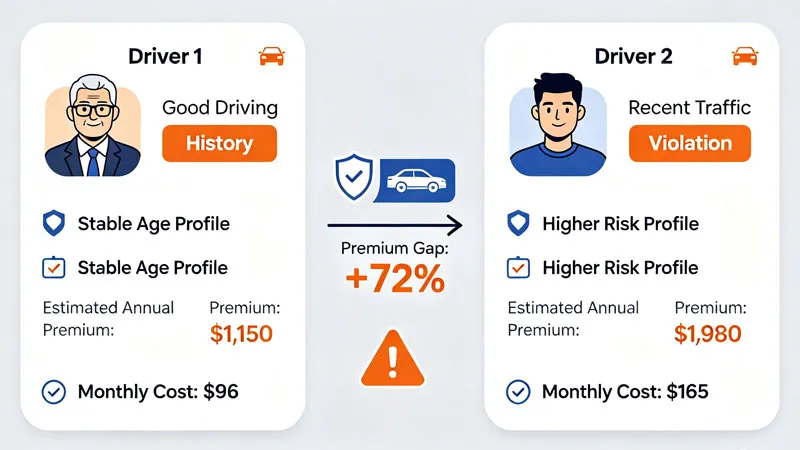
Two drivers. Same age, same zip code, same clean record. One pays $1,600 a year. The other pays $3,200. The difference isn’t luck — it’s auto expert savings knowledge most people never apply. This guide shows you exactly where the money leaks out of your policy, and where cutting corners will cost you more than it saves.
What Actually Determines Your Car Insurance Rate
Insurers don’t price you as a person. They price you as a risk profile built from eight factors: age, location, credit history, vehicle type, annual mileage, marital status, occupation, and insurance continuity. Two companies can look at the identical profile and land $150 a month apart, because each carrier weights these factors differently.
That’s the real reason “shop around” isn’t a cliché — it’s math. A company that penalizes thin credit files heavily might be your cheapest option if you have excellent credit, and your most expensive if you don’t.
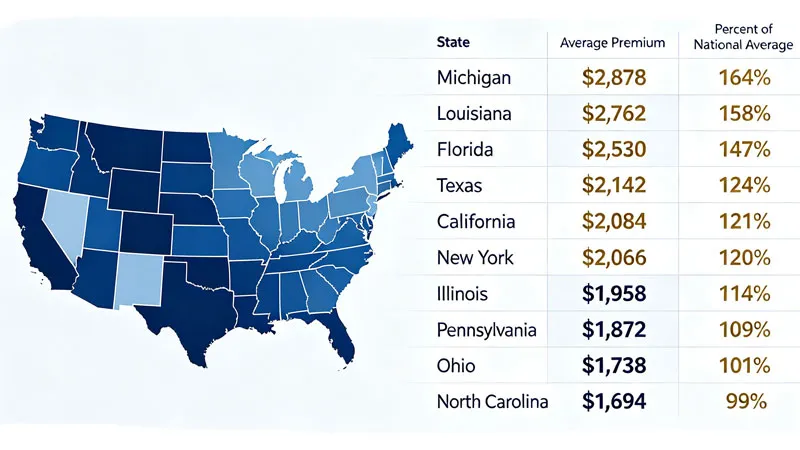
Why Rates Swing by State
Insurance is regulated state by state, not federally. A carrier with the lowest rates in Ohio can rank near the top in California for the same driver profile, because claims costs, litigation environment, and state mandates vary. [state insurance rate regulations]
The Auto Expert Savings Checklist: Strategies Ranked by Impact
Compare Quotes Without Hurting Your Credit
Get quotes from at least four insurers annually — not just at renewal. Use a “soft pull” request when possible; most comparison tools default to this, but confirm before submitting your SSN.
Stack Every Discount You Qualify For
Most drivers use two or three discounts and stop looking. The full list usually includes:
- Multi-policy (home + auto)
- Paperless billing and autopay
- Low annual mileage
- Defensive driving course completion
- Anti-theft device installation
- Good student / alumni association
Call your agent once a year and ask specifically: “What discounts am I not using?” That single question routinely uncovers savings other tips miss.
Bundle Home and Auto — The Move Most Guides Skip
Bundling can cut 10-25% off your combined premium, yet it’s the most underused lever in most savings articles. If you rent, ask about renters-and-auto bundles — many carriers extend the same discount.
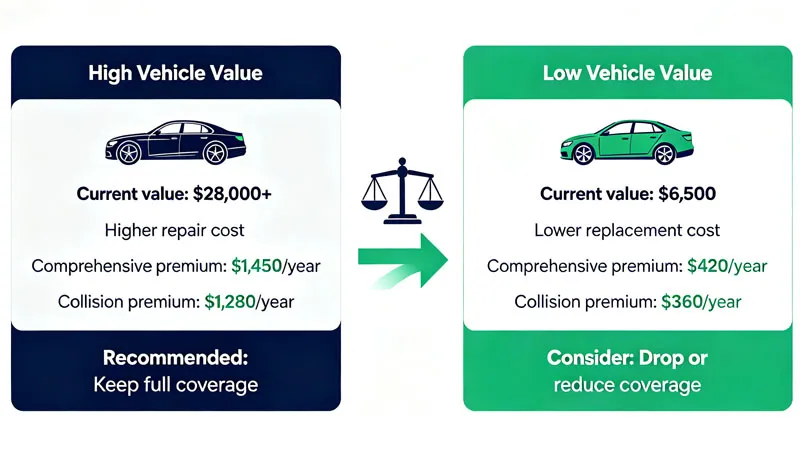
Reassess Collision and Comprehensive on Older Cars
If your car’s value is under 10 times what you pay annually for collision and comprehensive, dropping those coverages usually makes financial sense. A $3,000 car with a $600 annual comp-and-collision bill is a losing bet — the payout ceiling is the car’s value, never more.
Raise Your Deductible — Carefully
Moving from a $500 to $1,000 deductible typically saves 10-15% on collision premiums. But only raise it if you have that amount sitting in an accessible emergency fund. Otherwise you’re trading a premium discount for a cash-flow crisis at claim time.
Fix Your Credit-Based Insurance Score
In most states, credit history influences your premium more than your driving record does. California, Hawaii, Massachusetts, and Michigan ban this practice entirely — if you live elsewhere, dispute credit report errors first; they’re common and directly inflate your score.
Try Usage-Based or Pay-Per-Mile Insurance
If you drive under 8,000 miles a year, pay-per-mile programs from insurers like Mile Auto or Metromile often beat traditional policies by a wide margin. Usage-based programs that track braking and speed can backfire, though — some carriers raise rates for drivers flagged as aggressive. Read the fine print on rate increases, not just discounts, before enrolling.
Review Your Policy After Life Changes
Marriage, a new job, moving, or retirement can each shift your rate significantly — and insurers rarely notify you proactively. A remote-work switch alone can drop your mileage enough to qualify for a lower tier. Set a calendar reminder to review coverage after any major life event.
The Hidden Risk of Cutting Too Much Coverage
Saving money on paper isn’t the same as saving money in reality. Dropping liability limits to state minimums, for instance, leaves you personally exposed if a claim exceeds your policy — medical costs and legal judgments don’t stop at your coverage ceiling. [underinsured motorist statistics]
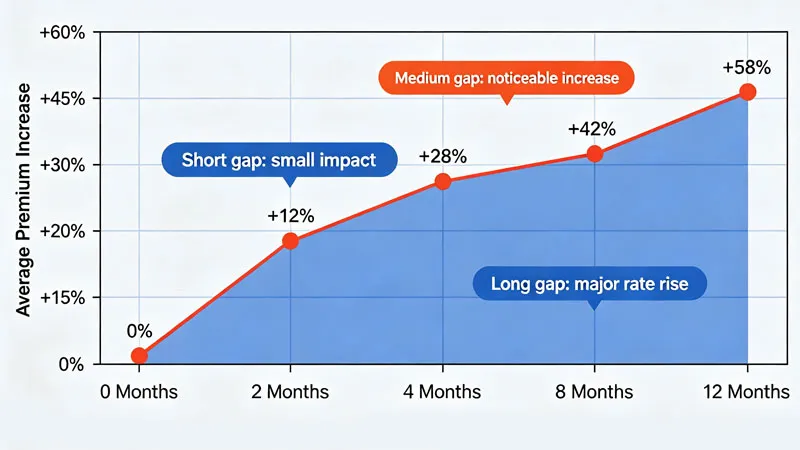
Coverage Gaps Cost More Than They Save
Canceling a policy mid-term, even briefly, creates a lapse that most insurers penalize with higher future rates — sometimes for three to five years. If you’re switching carriers, confirm your new policy starts before your old one ends. Never let there be a gap, even for a day.
Auto Expert Savings for Specific Situations
- Young drivers (under 25): Staying on a parent’s policy, when eligible, is usually cheaper than a standalone plan.
- Senior drivers (65+): Ask about low-mileage and defensive-course discounts — many carriers stack both.
- High-risk drivers: A single at-fault accident or DUI can double your rate; shopping around after a violation often saves more than any single discount.
- Rideshare and gig drivers: Standard personal policies typically exclude coverage while the app is on — a rideshare endorsement closes that gap for a modest add-on cost. [rideshare insurance requirements]
When to Prioritize Coverage Over Savings
Not every discount is worth taking. As a simple filter: if your car is under five years old, still financed, or your only vehicle, protect coverage first and optimize price second. If it’s paid off, older, and you have savings to cover a repair, price becomes the bigger lever.
Frequently Asked Questions
Does canceling my policy early hurt my future rates?
Yes, if it creates a coverage lapse. Insurers treat any gap as a red flag and often price it as higher risk for years afterward.
How often should I actually get new insurance quotes?
Once a year at minimum, and again after any major life event — a move, marriage, new job, or vehicle purchase.
Will getting a quote lower my credit score?
Only if the insurer runs a hard credit pull, which is uncommon for quotes. Confirm it’s a soft pull before submitting personal information.
Is usage-based insurance worth it for a long commute?
Usually not. These programs reward low mileage and gentle driving habits — a long daily commute works against both factors.
Can I negotiate my premium directly with my insurer?
Not in the traditional sense, but you can ask for a full discount review, request a re-rate after credit improves, or adjust coverage levels to lower the bill.
Disclaimer: This article is for informational purposes only and does not constitute insurance, financial, or legal advice. Coverage needs and claim outcomes vary by individual circumstances. Please consult a licensed insurance advisor or relevant professional before making coverage decisions. Actual rates are determined solely by insurance providers based on your specific profile.